Style and sourcing
Neoclassical interior design
Neoclassical interior design is the oldest language in this portfolio and the one with the highest cost of getting it wrong. Proportion is the whole subject. Put the mouldings at the wrong height and the eye reads the mistake at once, even when the viewer cannot say why. Taste does not come into it.
On this page
Three of the published schemes are neoclassical. One of them sits inside a Category A listed Palladian house, designed by Sir William Chambers in the 1760s.
Duddingston House
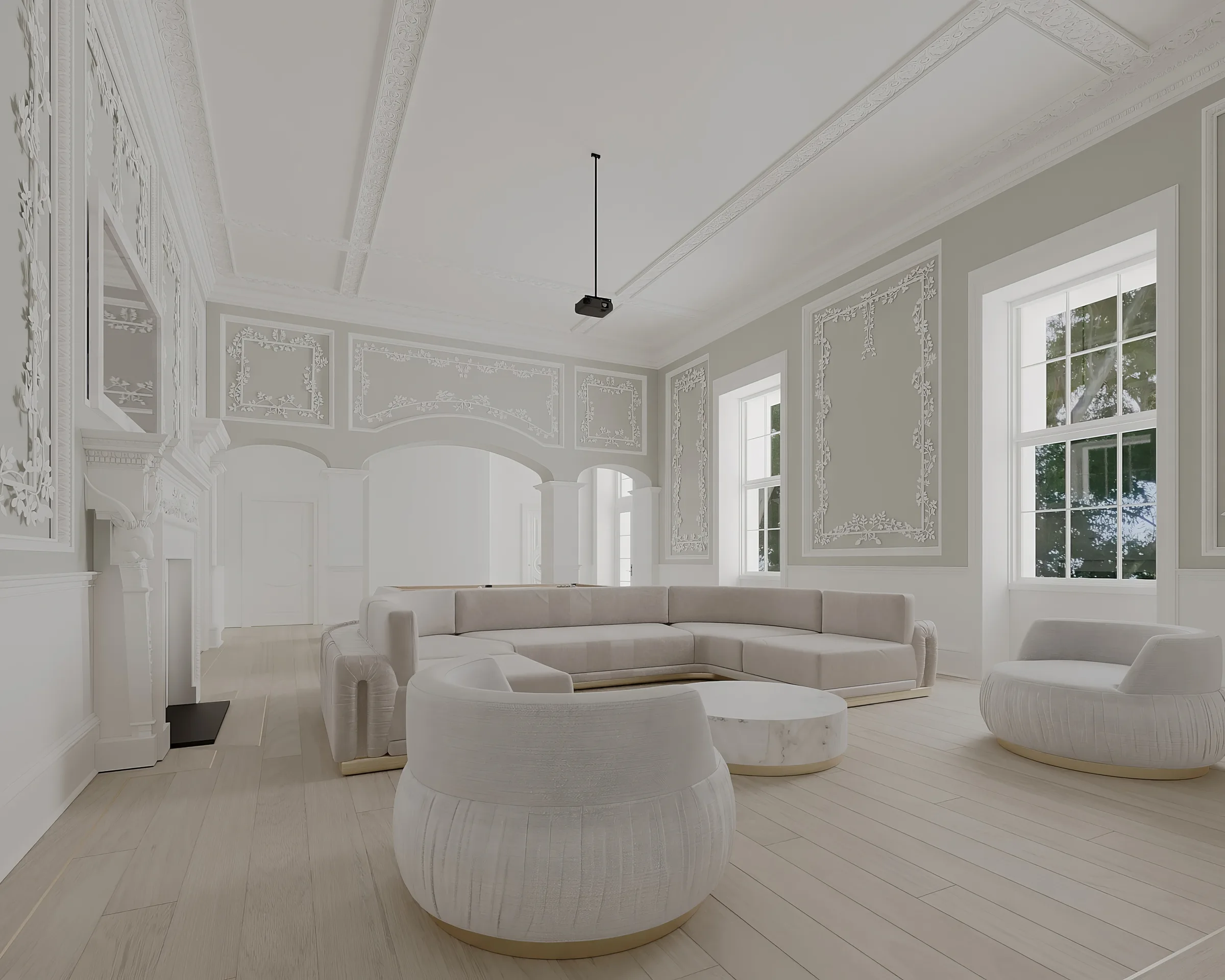
Duddingston Guest House in Edinburgh is contemporary neoclassical. The building is a genuine eighteenth century Chambers house with a heritage listing. The constraints are real rather than stylistic.
Heritage work at that level enforces a discipline that stays with you. Nothing is arbitrary. Every decision is justified against the original architecture, and new work is designed to read clearly as new, because an imitation of the period is what looks wrong.
It is the reason this page exists. Most Australian studios offering neoclassical interiors are working from reference images. This one has worked inside the real thing.
The Australian schemes
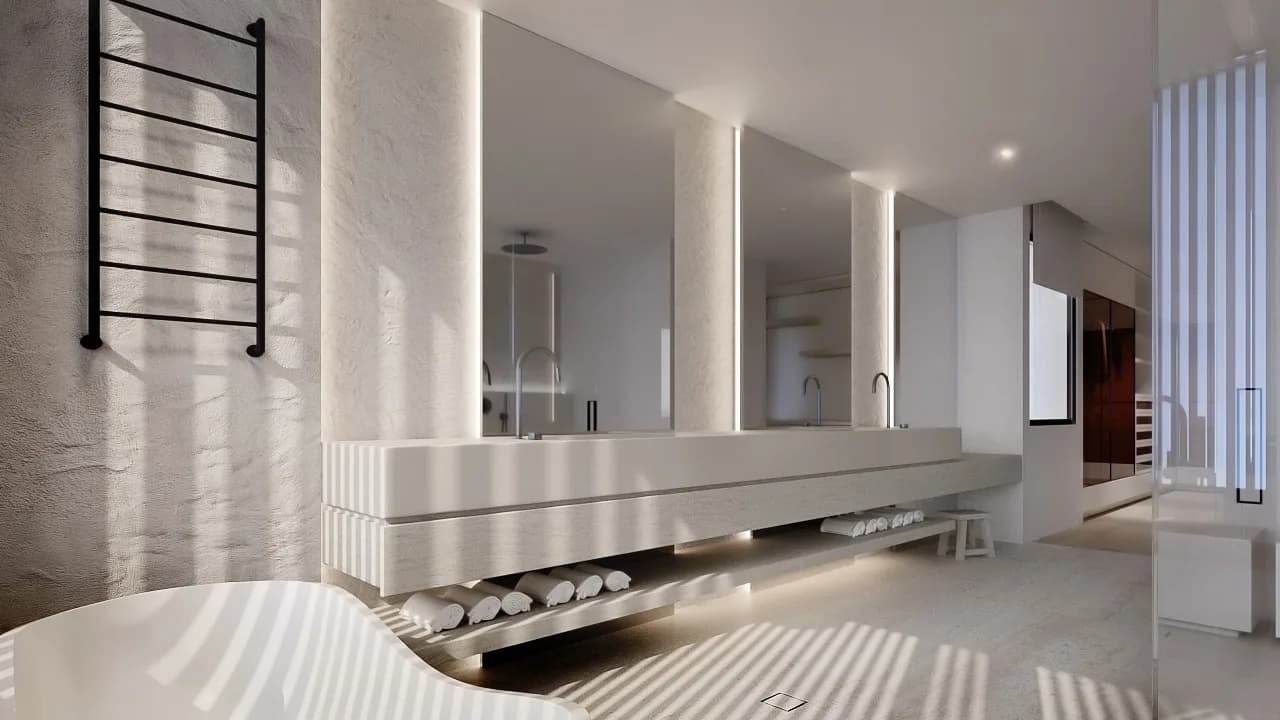
Sovereign Islands II is soft neoclassical minimalism. That combination sounds contradictory, and it is the most interesting thing about the scheme. It keeps classical proportion and symmetry and strips out almost all of the ornament. The geometry does the work.
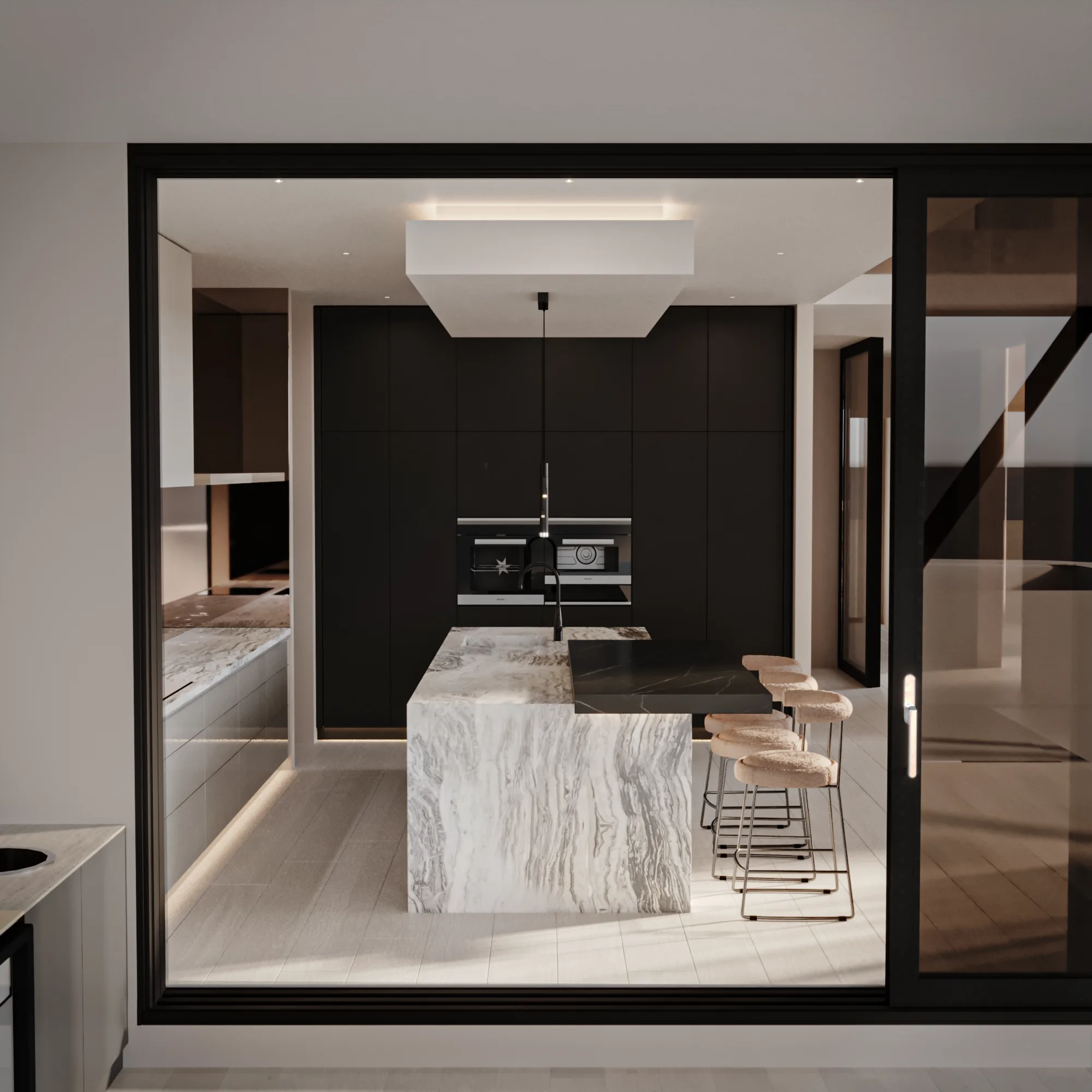
Hillside in Victoria is modern classical serenity, a quieter reading of the same language.
What neoclassical actually requires
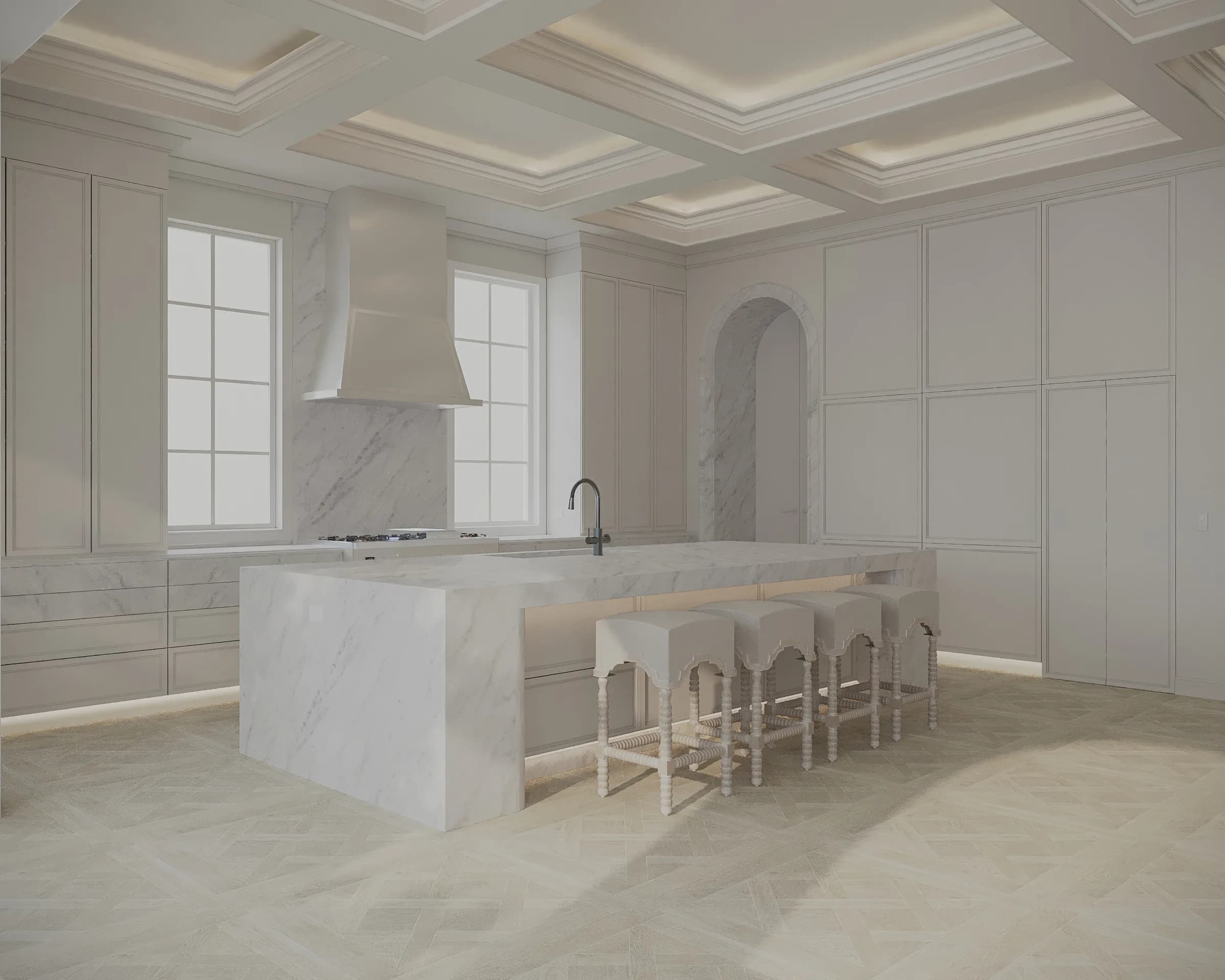
Proportion before ornament. The classical orders are a system of ratios, not a catalogue of decorative parts. Ceiling height to cornice depth, door height to width, the height of a dado against the room. Get the ratios right and a plain room reads as classical. Get them wrong and no amount of moulding rescues it.
Symmetry, and where to break it. Classical rooms are symmetrical about an axis. Modern houses rarely are, because kitchens, services and open plans do not cooperate. The skill is deciding which axis to hold and where to let it go. Some plans cannot carry symmetry, and forcing it shows.
Restraint with ornament. More moulding is not more classical. Eighteenth century interiors were often far plainer than the Victorian revivals that followed them. Most people's mental image comes from the revivals.
Materials that were available then. Stone, plaster, timber, brass. Finishes from the wrong century sink a neoclassical room faster than wrong proportion does.
Neoclassical, Georgian, Federation and Hamptons
Worth separating, because these get confused constantly.
Neoclassical is the eighteenth and early nineteenth century revival of Greek and Roman architecture. Chambers was a leading figure in it. Georgian is the British domestic architecture of the same period, and in practice the two overlap heavily. Federation is the Australian late nineteenth and early twentieth century style, and is a different thing entirely. Hamptons is a twentieth century American coastal style. It borrows some classical detail, which is why people arrive asking for one and describing the other.
If you are briefing a designer, showing three reference images will resolve this faster than any of these words will.
Modern classical, which is what most clients want
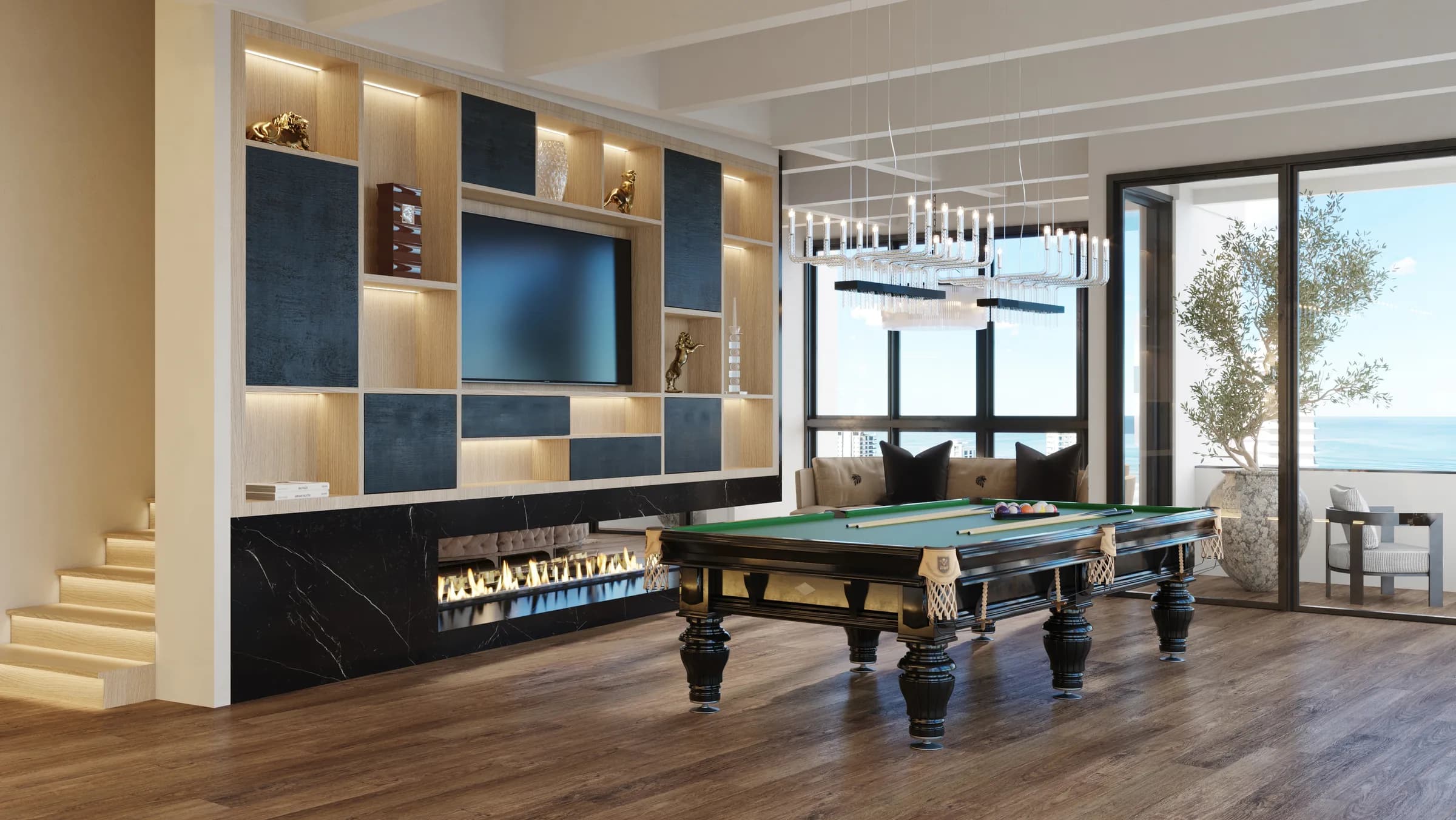
Very few Australian clients want a period reconstruction. They want classical proportion and calm in a house that works like a modern one. An open kitchen, large glazing, no formal drawing room.
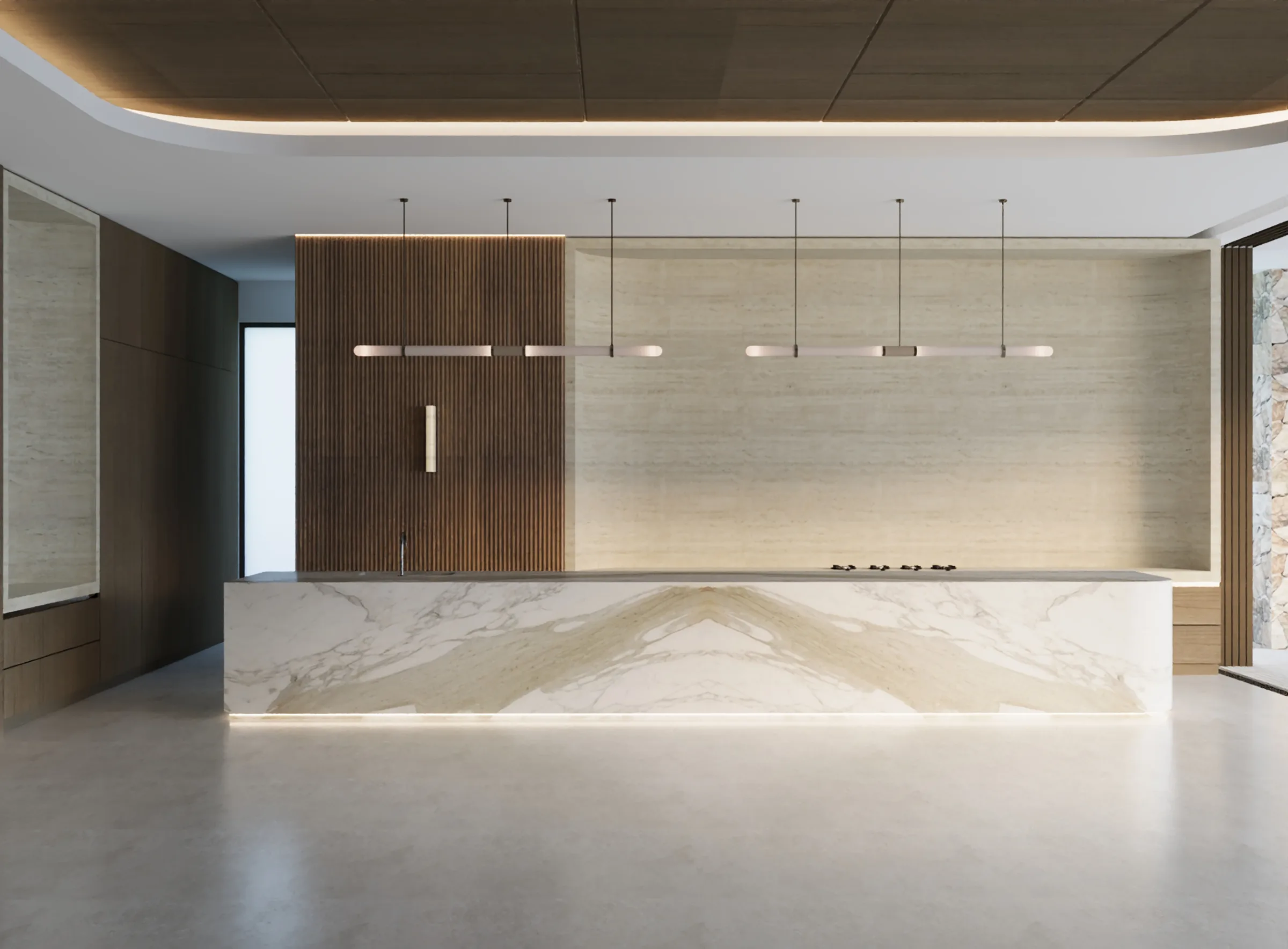
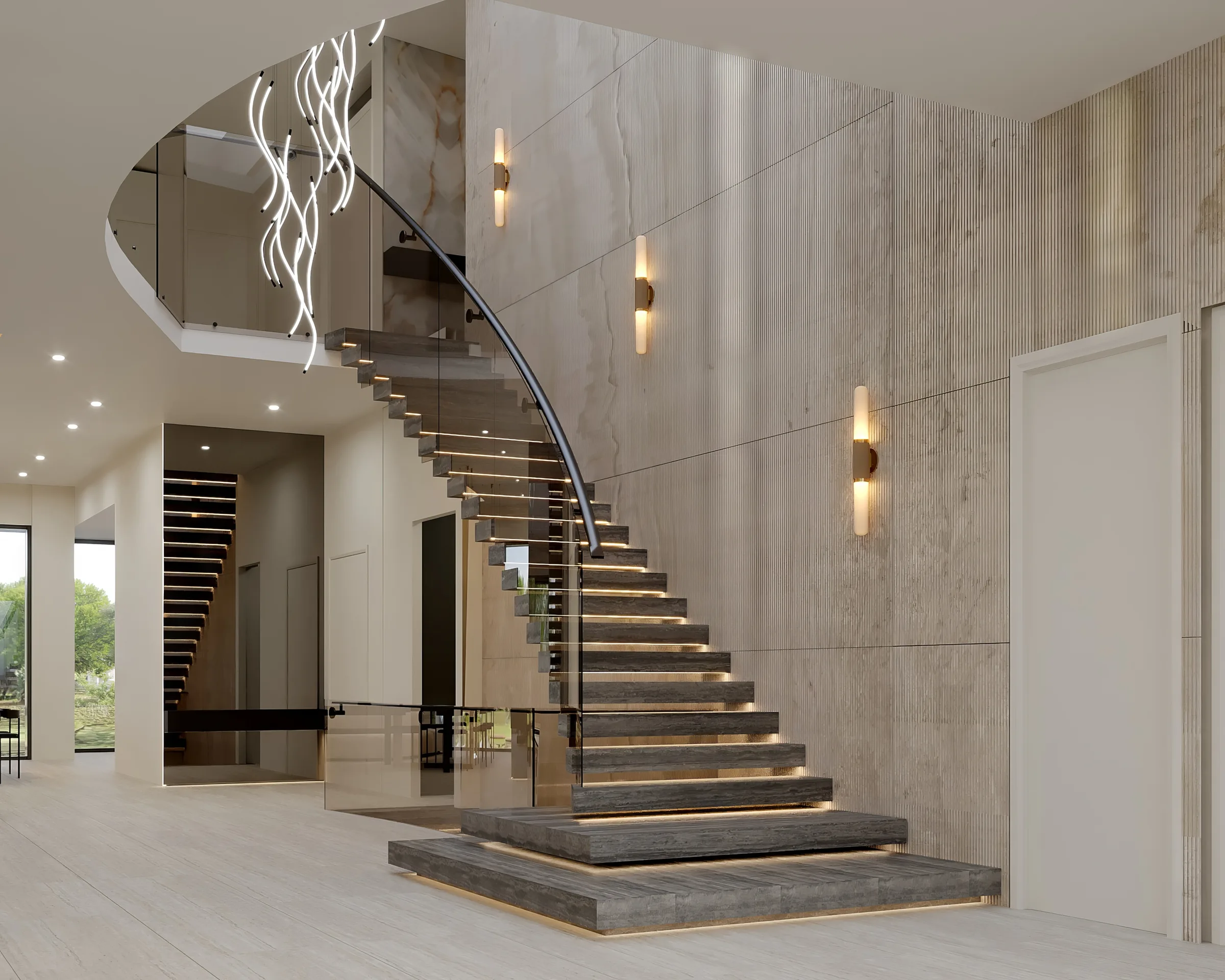
That is a real and coherent brief. It means holding the ratios and the symmetry where they can be held, using ornament sparingly, and letting the plan be contemporary. Both Australian schemes here work that way, and it is what "modern classical" honestly describes.
Related reading
Minimalist interior design covers the restraint that Sovereign Islands II applies to classical geometry. Contemporary interior design covers the wider body of work, including Duddingston. Interior designer Sovereign Islands covers the island itself.
Frequently asked questions
What is neoclassical interior design?
Neoclassical interiors follow the proportional systems of Greek and Roman architecture, revived in the eighteenth and early nineteenth centuries. They are symmetrical about an axis. Ratios between ceiling, cornice and opening are set with care. Ornament stays restrained, and the materials are of the period: stone, plaster, timber and brass.
What is the difference between neoclassical and Georgian?
Neoclassical describes the revival of classical form across architecture and interiors. Georgian describes British domestic architecture of roughly 1714 to 1830. In practice they overlap heavily, and a Georgian house is usually neoclassical in its detailing.
Can neoclassical work in a modern Australian house?
Yes, and this is what most clients want. Hold classical proportion and symmetry where the plan allows, and keep ornament restrained. The layout can be contemporary, with an open kitchen and large glazing. Both Australian schemes here work that way.
Is more moulding more classical?
No. Eighteenth century interiors were often plainer than the Victorian revivals most people picture. Proportion carries a classical room. Ornament added to cover wrong proportion makes the error more obvious.
Do you work on heritage listed buildings?
Yes. Duddingston House in Edinburgh is a Category A listed Palladian house designed by Sir William Chambers in the 1760s. The studio designed its interiors. Listed work runs to a different discipline, where every decision has to be justified against the original architecture.