Style and sourcing
Interior design trends
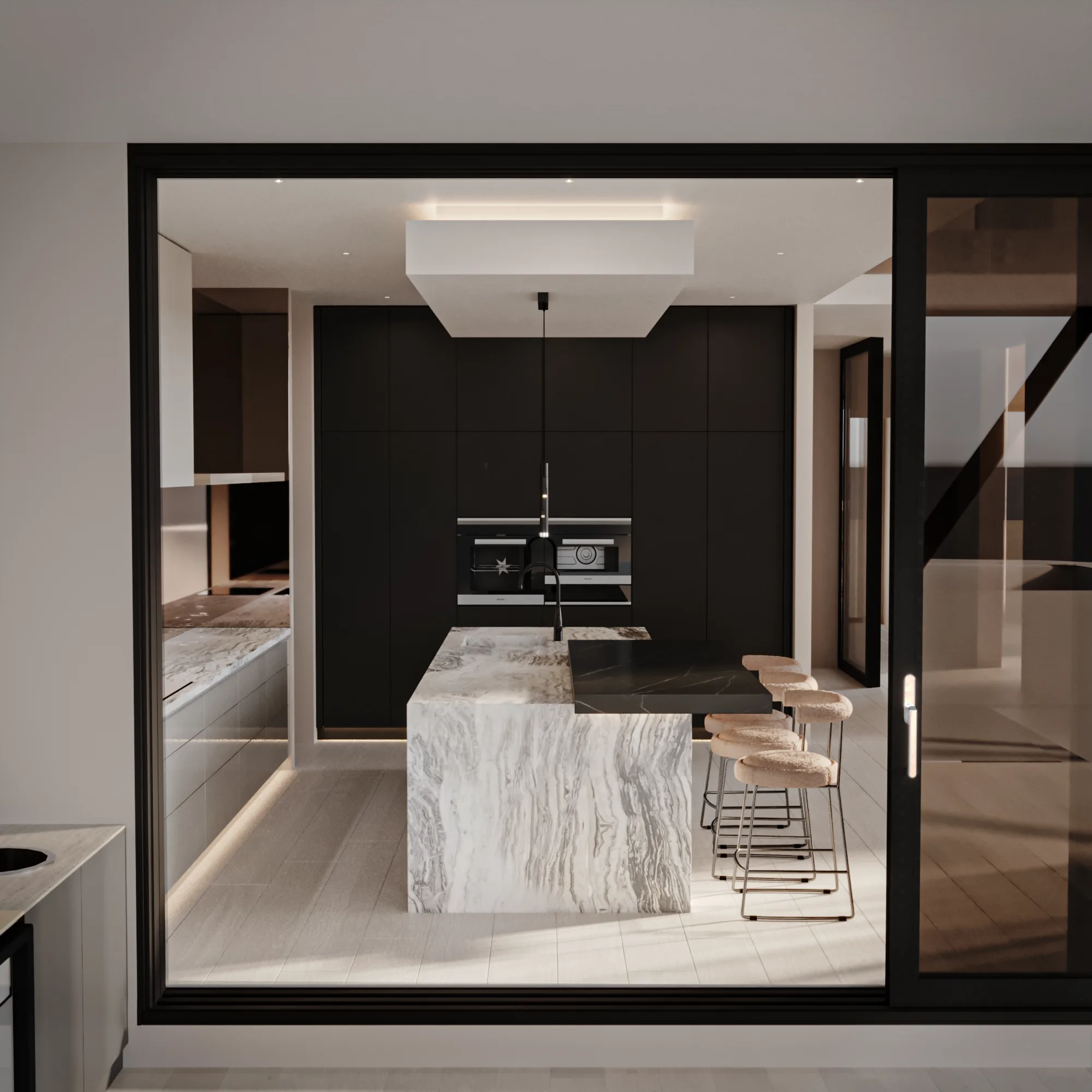
Interior design trends are mostly reported by people selling something. Tapware brands, furniture retailers and paint companies publish the annual lists. The trends they identify tend to be the products they are stocking. There is nothing dishonest in that, but it is worth knowing before you renovate around one.
On this page
This page takes the other view: which decisions are safe to make on a trend and which are not.
What it costs to reverse
Before following any trend, ask what it costs to reverse.
Cushions, art, a rug, a paint colour, a light fitting on a standard fixing. All cheap. Follow whatever you like, change it in three years, no harm done.
Joinery profiles, tile selections, stone, tapware finishes, cabinetry colour, anything cut or plumbed. All expensive. These are the decisions to make conservatively, because getting bored of them costs a renovation rather than an afternoon.
Almost every regret we hear about follows the same shape: a trend applied to something permanent.
What is genuinely happening
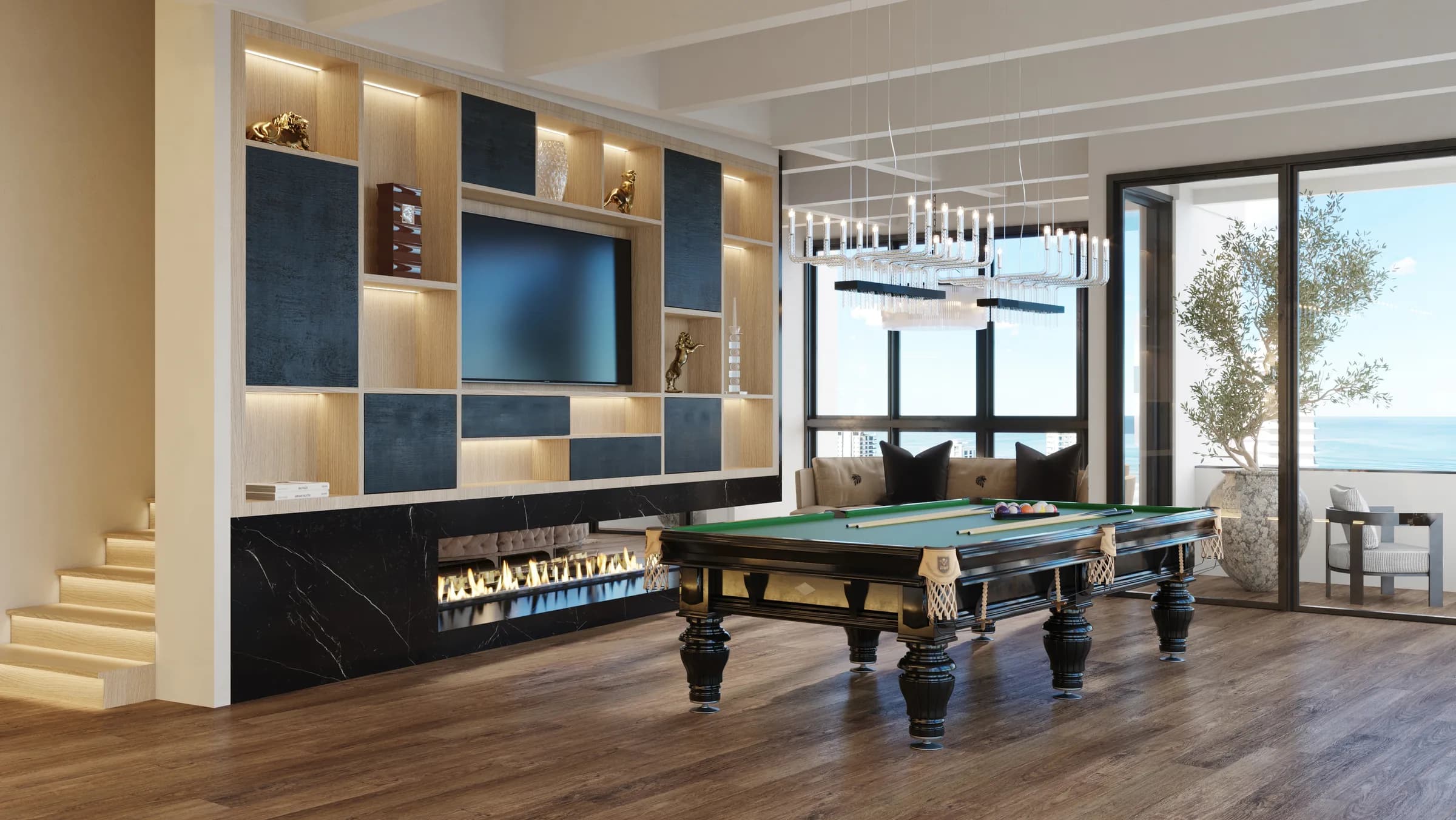
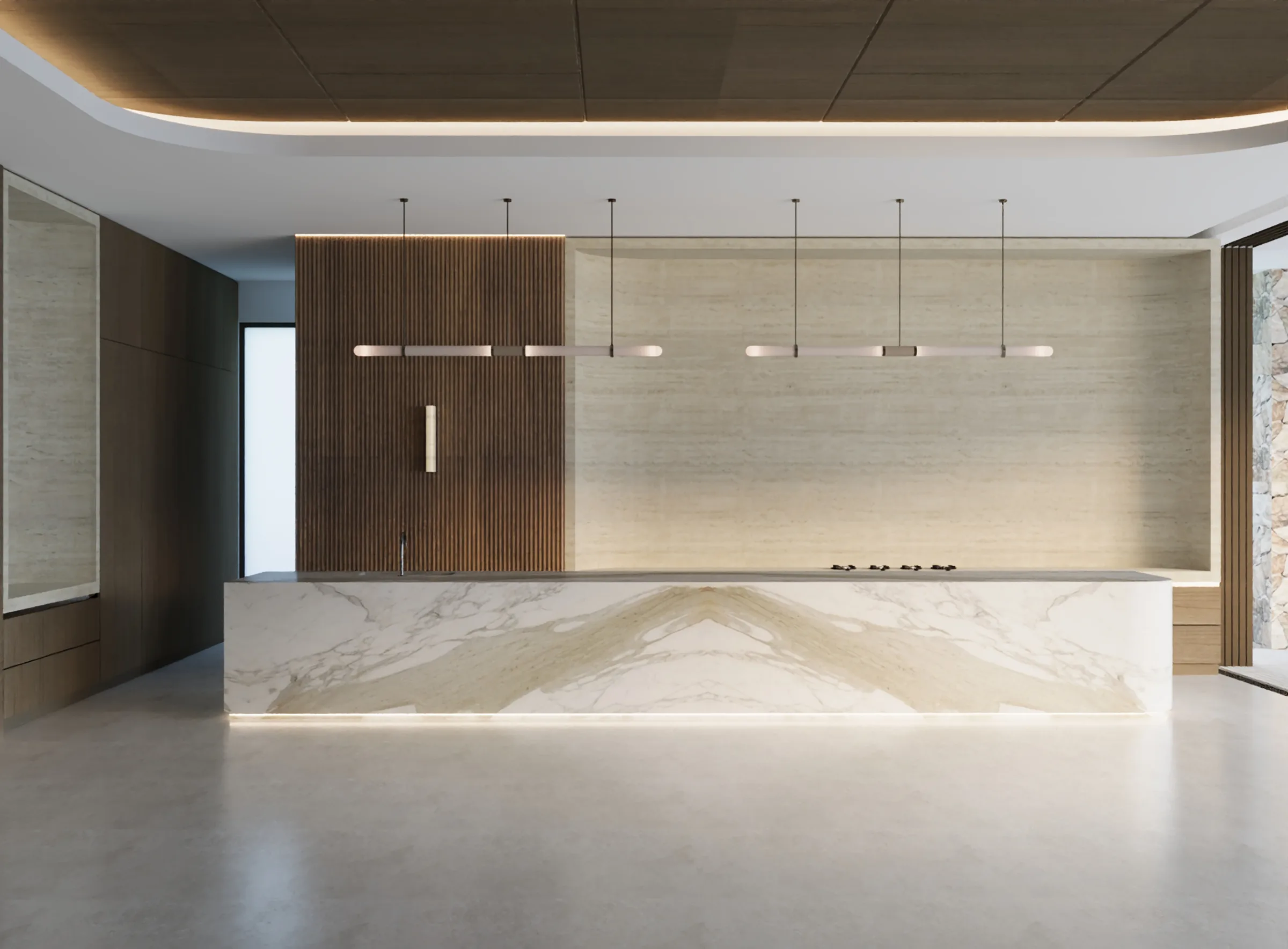
Warmth, still. The move away from cool greys towards warm neutrals, timber and stone has run for years and shows no sign of reversing. It is less a trend than a correction from the grey period. That is why it has lasted.
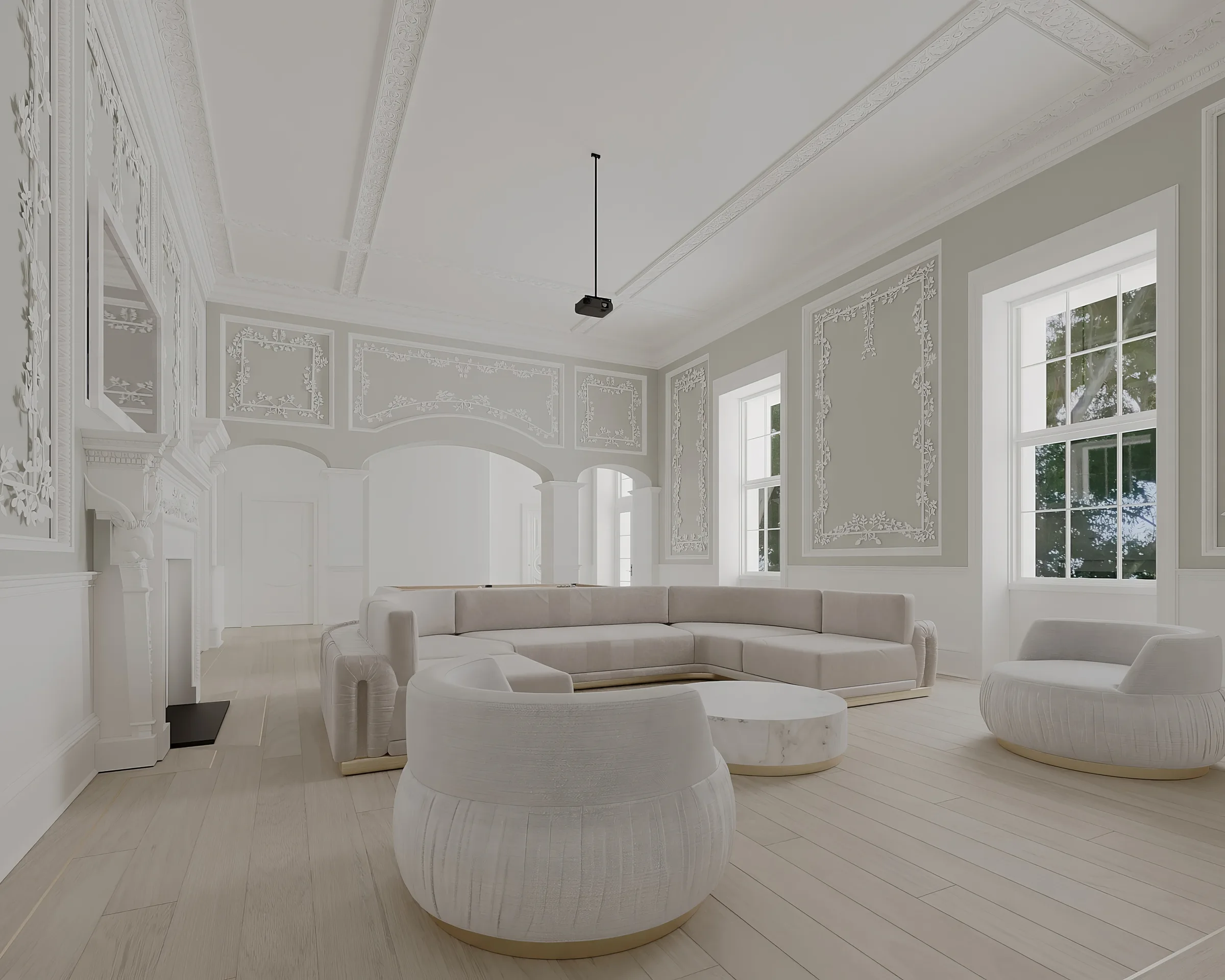
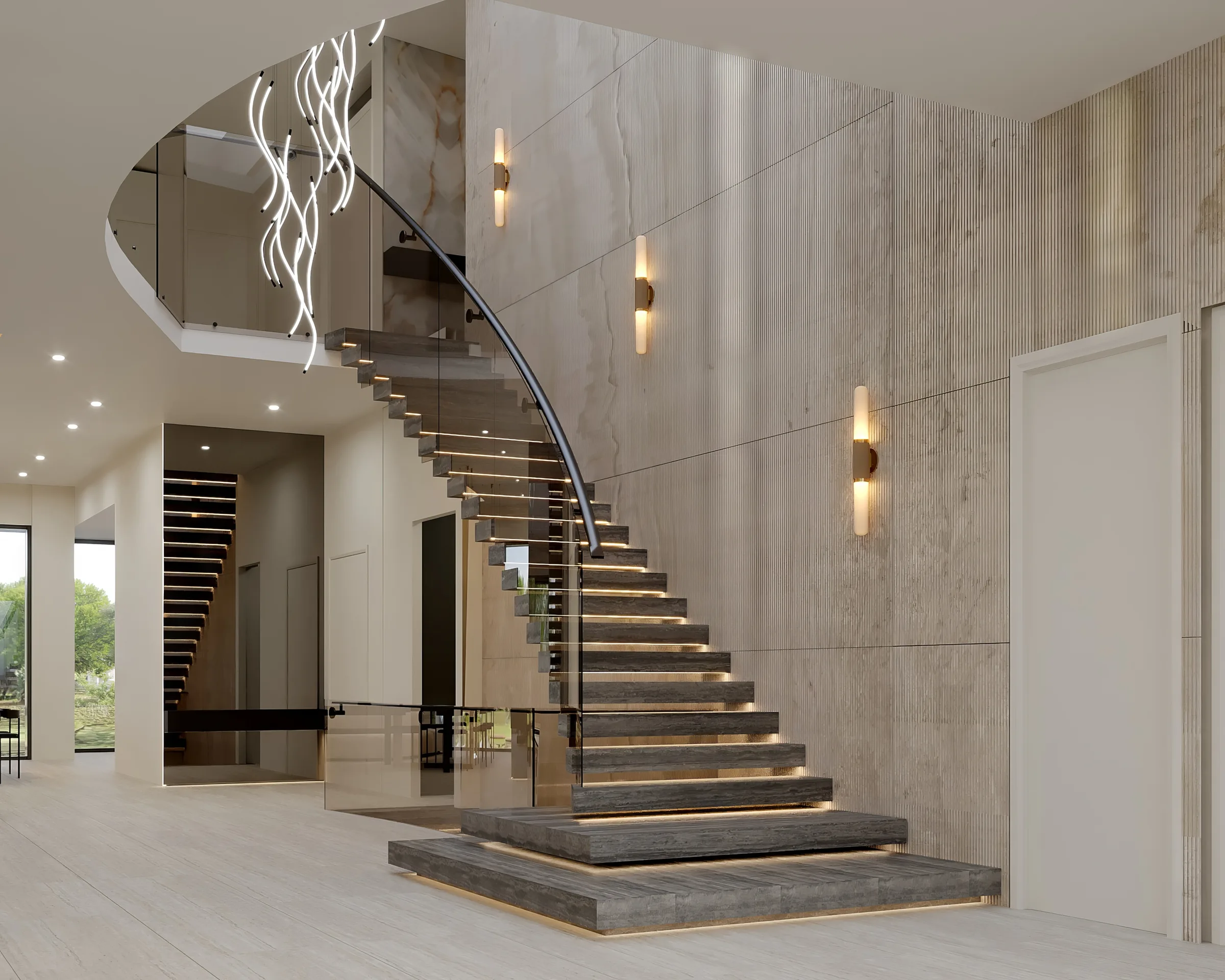
Curves, cooling. Arched openings and rounded joinery were everywhere from about 2021. They are now common enough to date a project quite precisely. A curve that comes from how people move through a room still works. A curve applied as decoration now reads as a specific year.
Colour returning, carefully. After a long neutral period, deeper and more saturated rooms are appearing again, mostly in spaces people occupy briefly. Powder rooms, bars, studies.
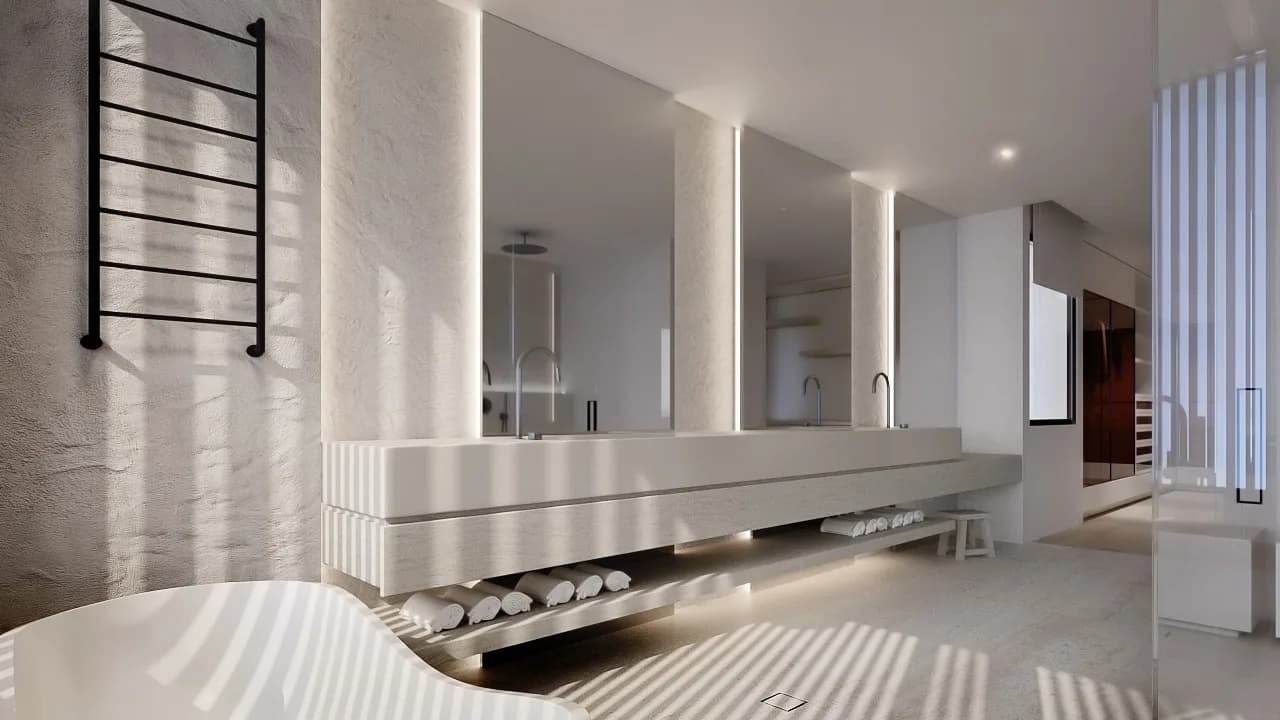
Texture over pattern. Plaster finishes, ribbed and fluted surfaces, bouclé, natural stone with visible movement. This is where most schemes are getting their interest now.
What will date fastest
Anything named after a year, anything that arrived through a single retailer's catalogue, and any one material used everywhere at once. Saturation is what dates a look.
Fluted timber is a useful example. Used on one considered element it is a detail. Used on the kitchen, the island, the bathroom vanity and the entry joinery it is a timestamp.
What has never dated
Proportion, natural material, layered light at more than one height, and storage that is actually adequate.
None of those appear in a trend list because nobody can sell them to you as a product, which is precisely why they hold up. A room that gets these four right will still work in twenty years whatever is on the walls.
How to use a trend properly
Take the idea, not the execution. If you like a scheme you saw, work out what is actually doing the work: is it the colour, the proportion, the light, the material, or just the photography? Usually it is the light.
Then apply that principle to your own house. Your ceiling height, orientation and outlook are different. A copied room in the wrong conditions rarely survives the translation.
Related reading
Interior design colour schemes covers palette decisions in detail. Contemporary interior design explains why contemporary is a moving target. Our study of Australia's most searched interior design styles measures which styles Australians actually look up, which differs sharply from what gets covered.
Frequently asked questions
Which interior design trends are worth following?
The reversible ones. Paint, textiles, art, rugs and freestanding furniture can follow whatever you like, because changing them costs an afternoon. Joinery, stone, tile and tapware should be conservative, because getting bored of those costs a renovation.
What interior design trends are dating right now?
Arched openings and rounded joinery used as decoration now date a project to roughly 2021 to 2023. Heavy use of fluted timber across many elements is heading the same way. Both still work used once and deliberately.
Is grey out of style?
Cool grey as a whole-home base has been in decline for years. Warm neutrals, timber and stone replaced it. That is less a trend than a correction, which is why it has held. Grey used as one considered element is still fine.
How do I stop my home dating?
Spend on the things that never appear in trend lists: proportion, natural material, layered lighting and adequate storage. Nobody publishes those because nobody can sell them to you as a product, which is exactly why they hold up.
Should I follow interior design trends at all?
Work out what is doing the work in a scheme you like, and take that. Usually it is the light. Then apply it to your own conditions. A copied room in a different orientation with a different ceiling height rarely survives the translation.
Keep reading
Related guides
- Hamptons style interior design: the Australian guidehamptons style interior design
- Private international design sourcing for considered interiorsinternational design sourcing
- Marble vs travertine: which is better for a coastal home?marble vs travertine
- Home staging cost in Australia: an honest guidehome staging cost