What is the 3-5-7 rule in interior design?
Last updated
The 3-5-7 rule says to group objects in odd numbers: three or five or seven. An odd group has a centre, so the eye enters it, moves across it and settles. An even group splits into pairs and the eye stops at the division. It is a rule of thumb about how people look at things.
How to use it
Vary height, then keep something constant. A group of three might be a stack of books, a tall vessel and a low bowl: three heights, one material family. The variation makes it interesting; the shared element makes it look deliberate.
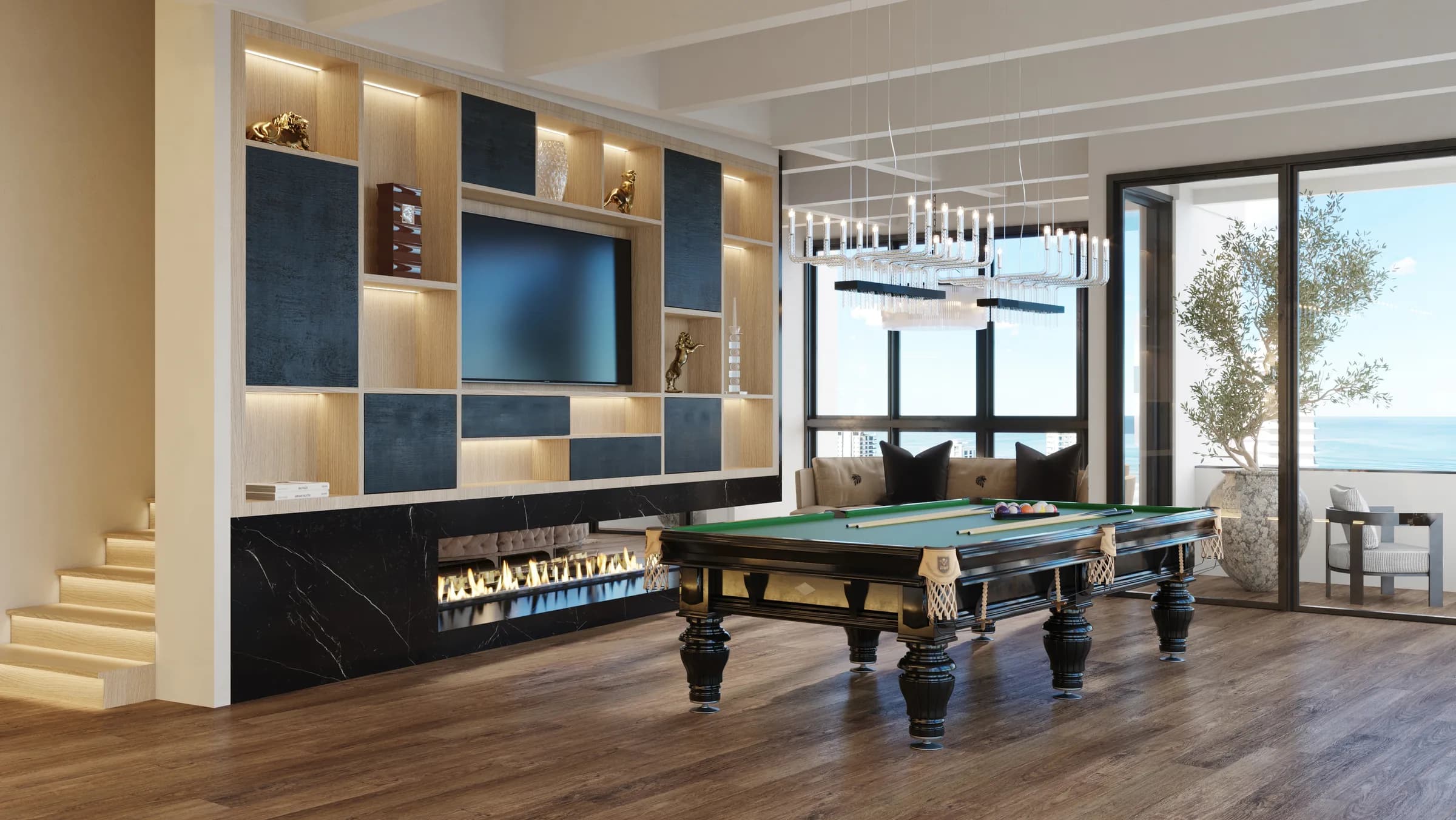
Scale the count to the surface. Three objects suit a coffee table. Five suit a mantel or a long shelf. Seven only works on a substantial console or a gallery wall, and below about five the arrangement still has to read as one group.
Keep the group tight. Objects further apart than roughly their own width stop reading as a set.
When symmetry is the better answer
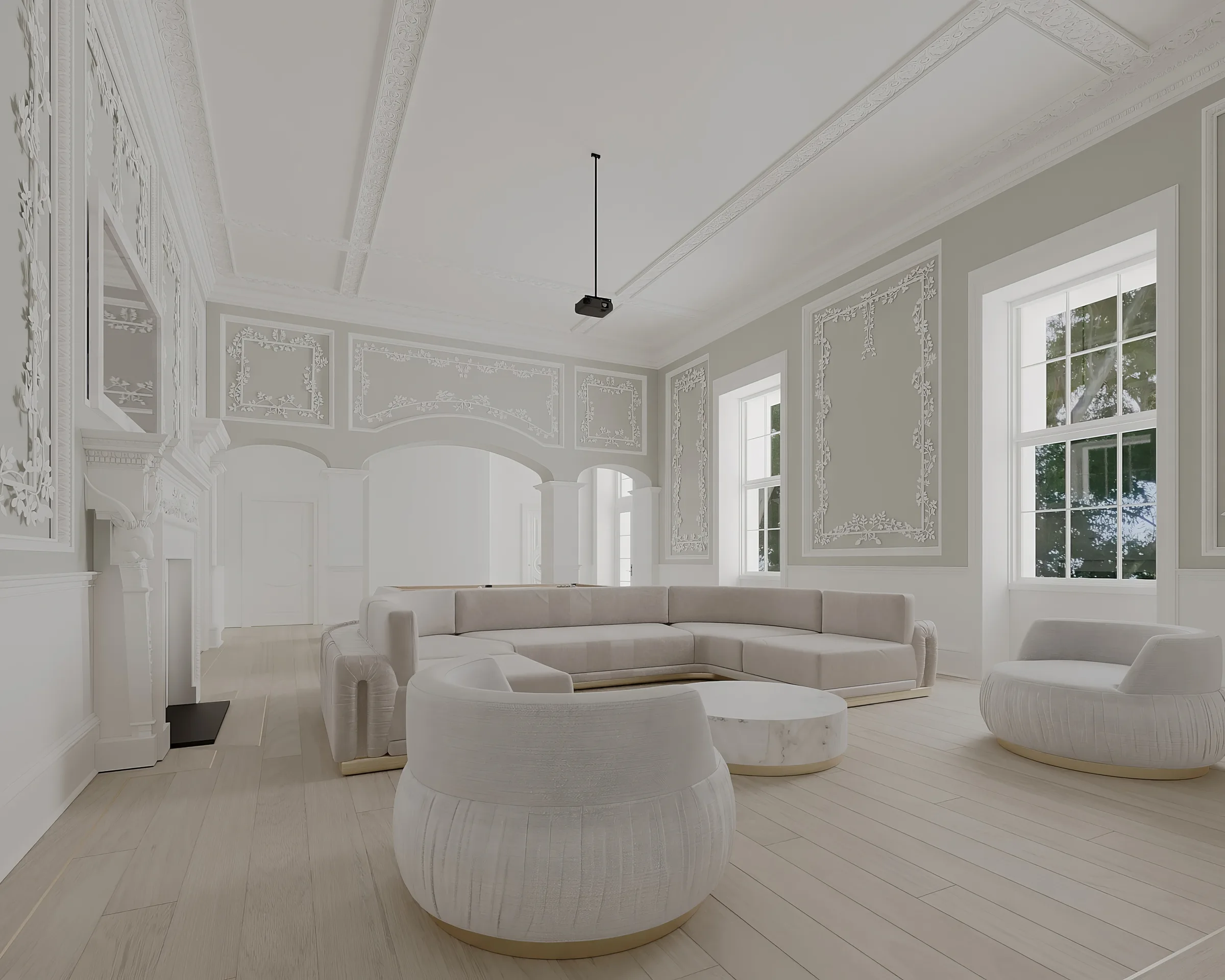
Formal rooms want pairs. Two lamps flanking a bed, two chairs facing a fireplace, matched sconces either side of a mirror. Symmetry signals order, and in a classical or period room that is the point. The odd-number rule belongs to relaxed, collected arrangements, and it should stay there.
The honest version
This is a diagnostic, not a design method. Nobody good is counting objects while they work. But when a shelf looks wrong and you cannot say why, count what is on it. An even number is a common culprit, and the fix takes ten seconds.
Where it genuinely fails is when it becomes an excuse to add a third object to a surface that was finished with two.